-
Farewell black spruce? How climate change and pests are reshaping North America’s forests

Zihui’s paper on shifting pest pressure in North American forests, just out in Nature Ecology and Evolution: Spatially explicit forecasts of tree insect and disease incidence across North American forests under future climate scenarios. Here, using data collected from >1 million individual trees, he shows that more than 80% of North American forests could face…
-
Statistical workflows for ecologists
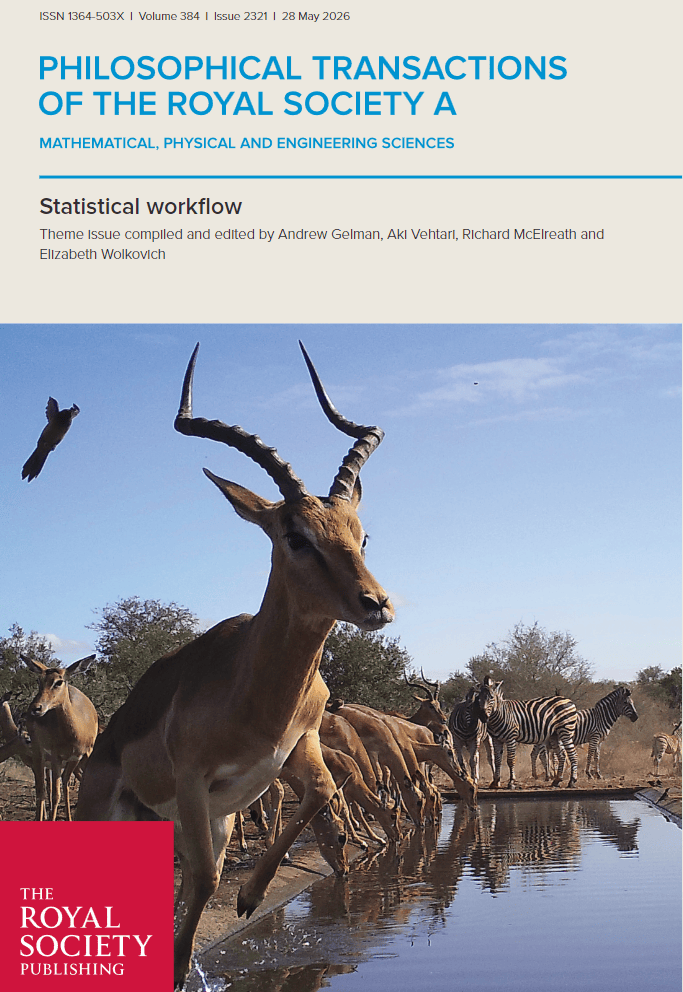
I was invited to contribute to two papers in a recent issue of the Philosophical Transactions of the Royal Society A. Yes, you read that right, Transactions A: Mathematical, Physical and Engineering Sciences. While the B series (Life Sciences) is the more familiar stamping ground of ecologists and evolutionary biologist, this issue on Statistical Workflows,…
-
Avery’s latest paper on how pests traverse their host phylogeny in a series of stepwise jumps
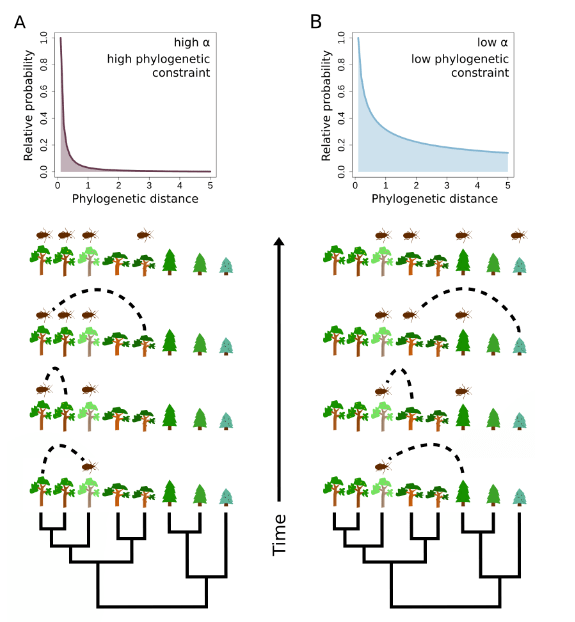
I think this is a really exciting paper as it reconceptualises evolutionary conservatism as a process that can shape ecological patterns across the tips of a phylogeny (here, the distribution of insect pests on forest trees) versus our more traditional model of evolution along the branches of the phylogeny. Here, we liken the movement of…
-
Workshop on Phylogenetic Diversity and Evolutionary Metrics in Biodiversity Science hosted by ACDB at the University of Johannesburg
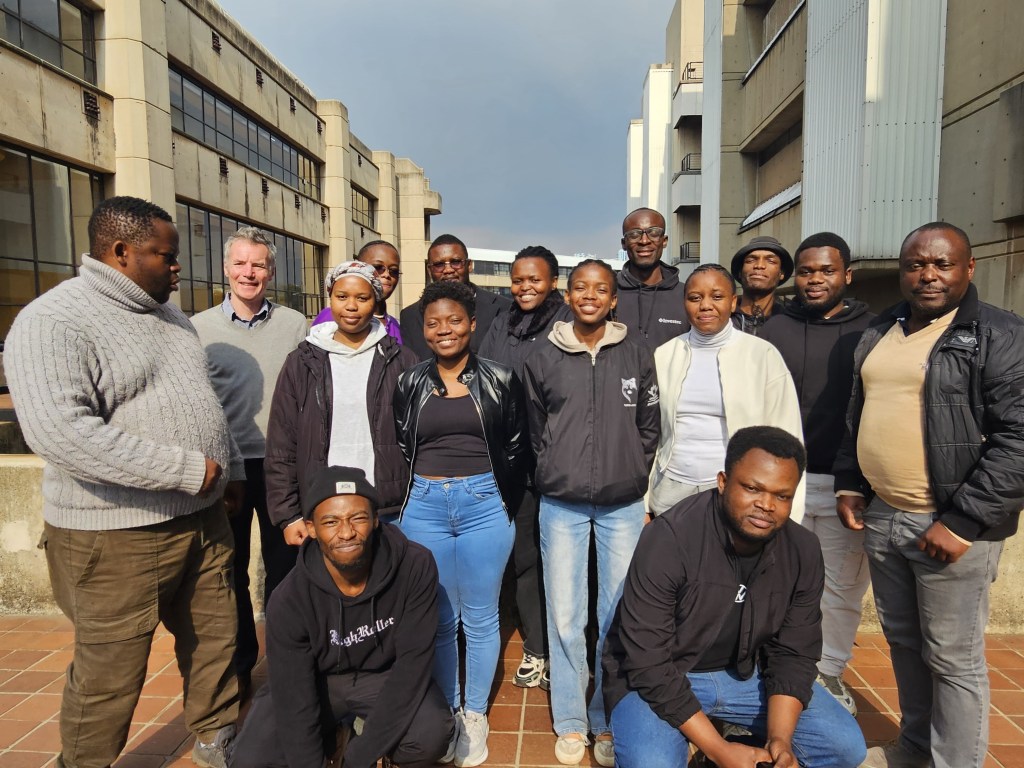
I gave a workshop on phylogenetic diversity and other important evolutionary metrics, including ED (Evolutionary Distinctiveness) using fair proportion and equal split methods, AED (Abundance-weighted Evolutionary Distinctiveness), and EDGE/EDGE2 (Evolutionary Distinctiveness and Global Endangered Species). The session brought together students and staff to explore key concepts in biodiversity measurement and evolutionary ecology. Great fun was…
-
Belated congratulations to Nick on defending his PhD thesis
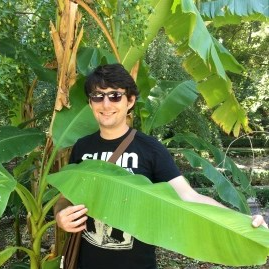
Dr Bard is now a postdoctoral researcher at the University of Guelph, Centre for Biodiversity Genomics. And if you are interested, you can find his most recent PhD paper published in Molecular Ecology Resources here: Teknonaturalist: A Snakemake Pipeline for Assessing Fungal Diversity From Plant Genome Bycatch
-
New research project exploring how pathogen infection influences buffalo dietary choice
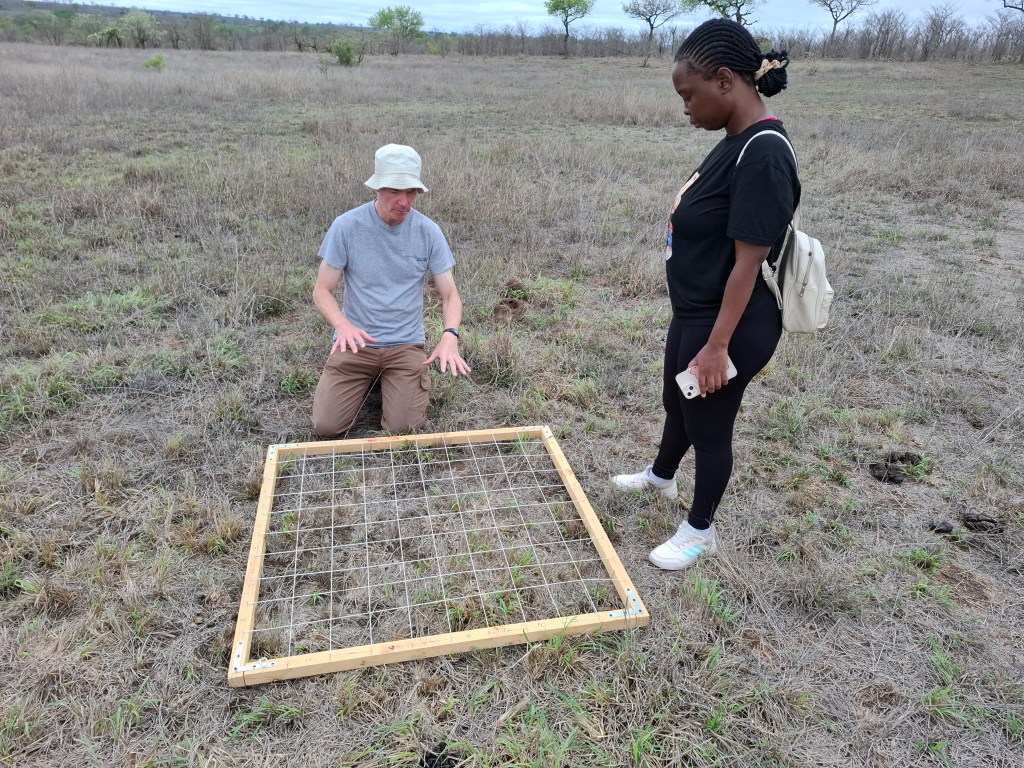
Jonathan tries to convince PhD student Nthabeleng Nhlengethwa that this is really how ecologists sample vegetation. Nthabeleng is unimpressed. In collaboration with Vanessa Ezenwa (Yale) and Danny Govender (SANParks), Nthabeleng will use eDNA from buffalo dung to examine whether buffalo infected with TB shift their dietary preferences. Do sick buffalo self-medicate or do they simply…
-
Ross wins 2024 GBIF Graduate Researchers Award
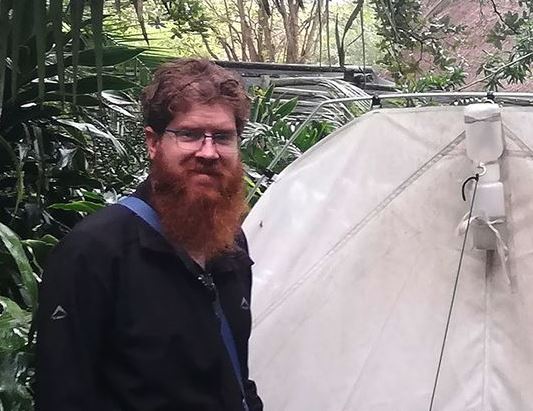
Selected by an expert jury led by Enrique Martínez Meyer of the GBIF Science Committee, Ross won the award for his work combining DNA barcoding data on flying insects with phenological data on flowering plants to explore how climate change may be changing the timing of interactions between species across South Africa. His research represents…
-
Setting up a Malaise trap at the Gobabeb Namib Research Institute
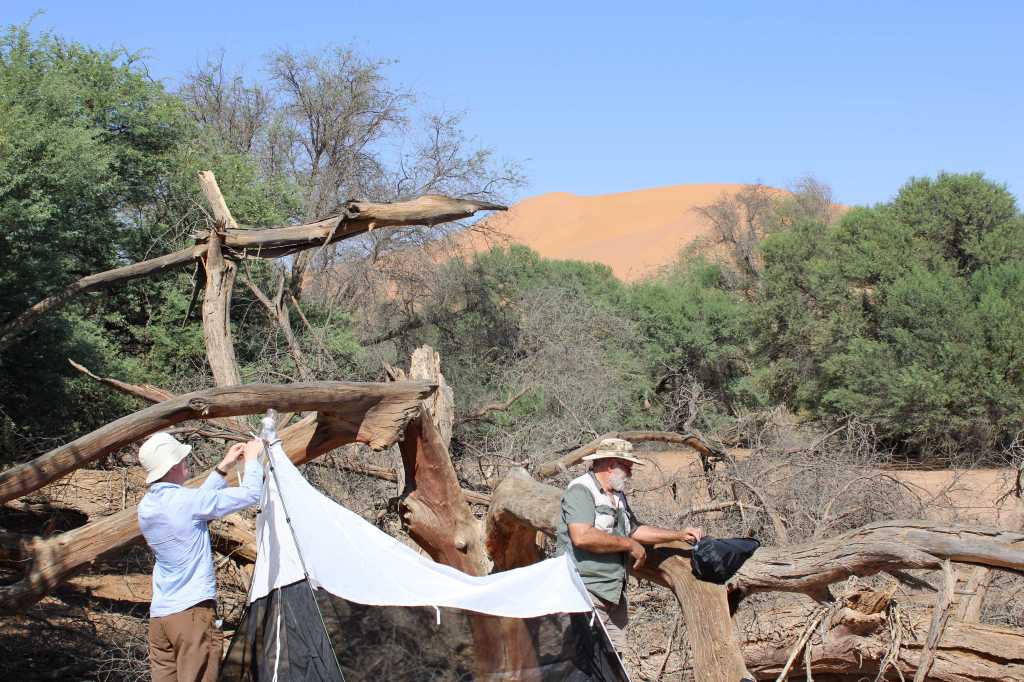
Contributing to the Global Malaise Program coordinated through the Centre for Biodiversity Genomics, University of Guelph. Setting up a new Malaise trap to capture flying insects on the edge of the Kalahari desert with the help of Eugene Marais, Research Manager, Gobabeb Namib Research Institute. Photo credit to Ross Stewart, PhD student African Centre for…
-
Avery’s paper on inferring the evolutionary model of community-structuring traits with Convolutional Kitchen Sinks finally out in Systematic Biology following an eon in review.
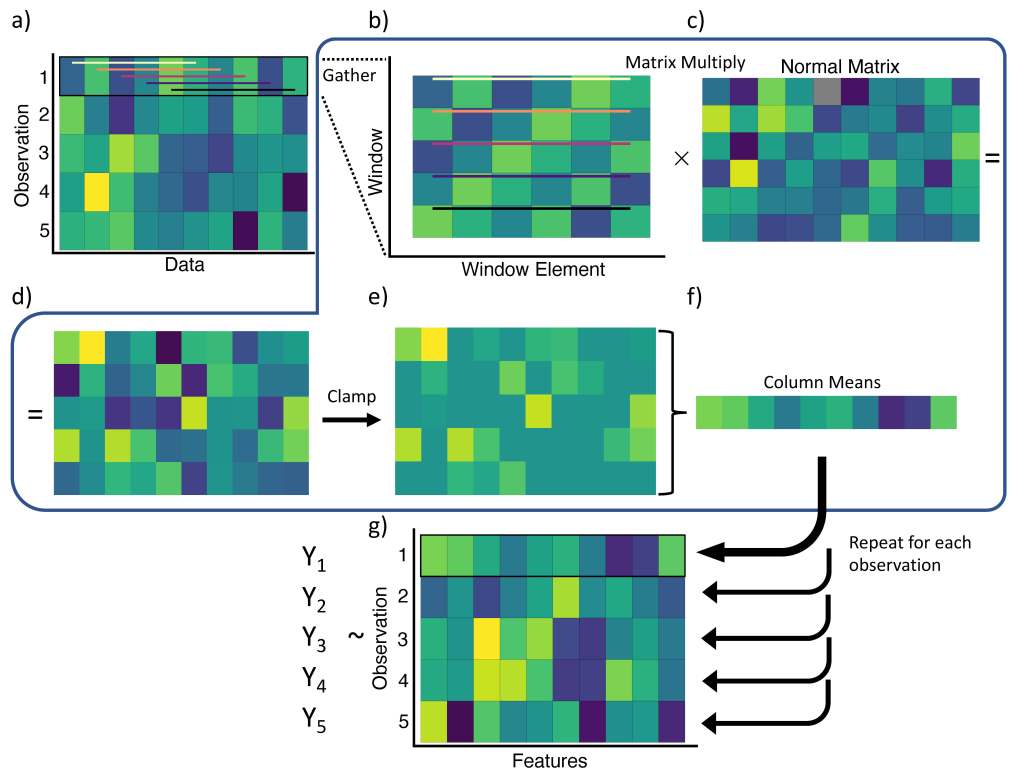
Using a new machine learning tool – Convolutional Kitchen Sinks – Avery shows how it is possible to learn the evolutionary model on which species have been filtered into communities just from observations of their community membership. One of my favourite paper titles. Interested in Convolutional Kitchen Sinks? Make sure to check out Avery’s kitchen…
-
New paper on the “polycrisis” of infectious disease spread, biodiversity loss and climate change
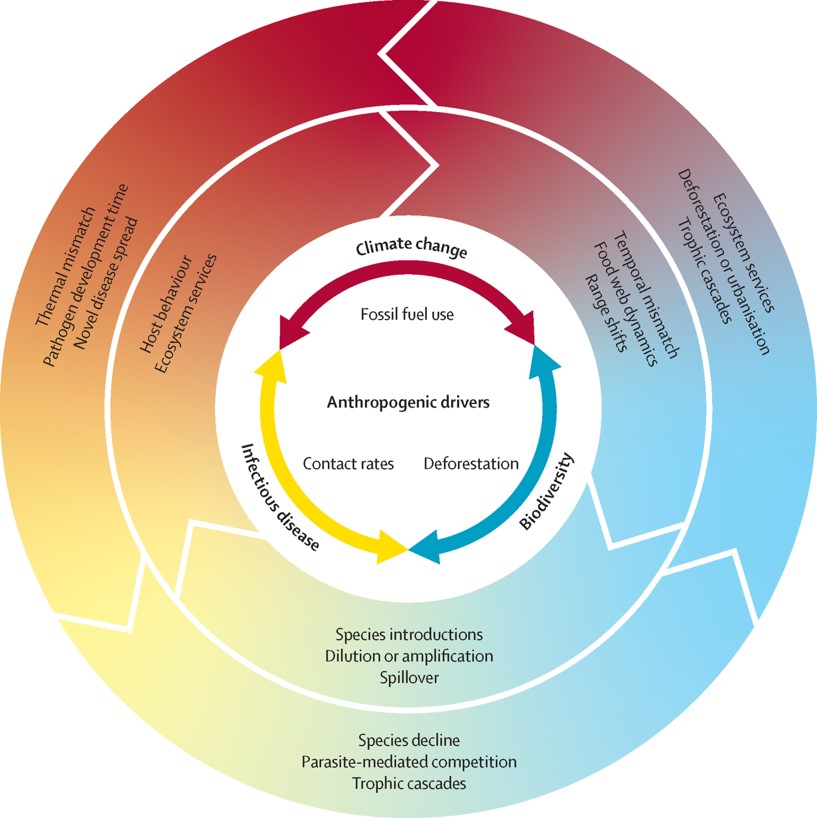
Intergovernmental reports have drawn focus to the escalating climate and biodiversity crises and the connections between them, but interactions among all three pressures have been largely overlooked. We show how considering the full suite of connections would be transformative for planetary health by identifying potential for co-benefits and mutually beneficial scenarios, and highlighting where a…