We are team of scientists with a wide range of skills and experience: from evolution and ecology to microbiology, biochemistry, and mathematics. We love what we do, and we do it with passion.
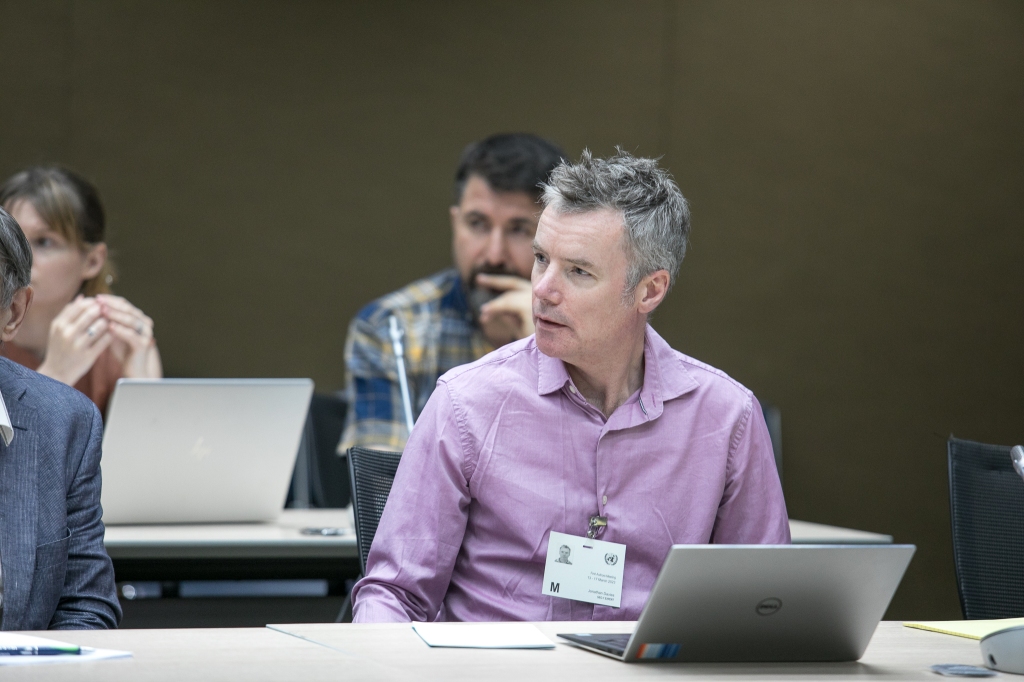
Jonathan Davies
Professor
I explore how the evolutionary history of species—their phylogeny—can inform our understanding of their present day ecologies. I have tackled questions ranging from patterns of global extinction risk in plants and animals, the ecological and evolutionary processes structuring species coexistence, to global drivers of pathogen transmission and disease emergence. This research aims to bring new insights into the ecological and evolutionary processes that shape biodiversity patterns across scales.
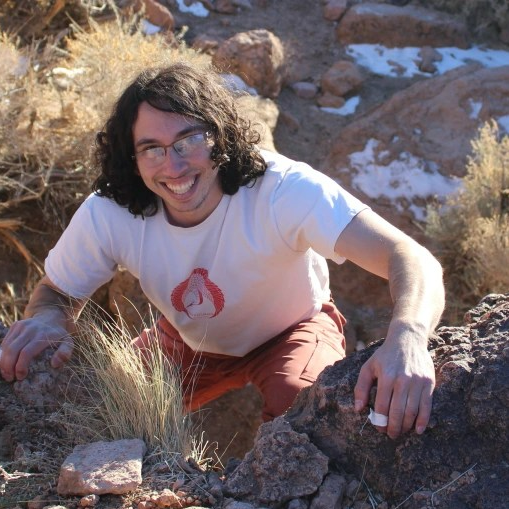
Avery Kruger
Ph.D. student
Davies Lab
I am broadly interested in how phylogeny can inform contemporary ecological patterns, like community membership and species interactions. I currently study the relationship between phylogeny and patterns of interactions in plant-mutualist networks, using theoretical models and empirical data. I also use machine learning methods to infer ecological and evolutionary parameters from phylogenetic data. Every post-secondary institution I’ve attended has had a full whale skeleton on display, which is a strange coincidence.
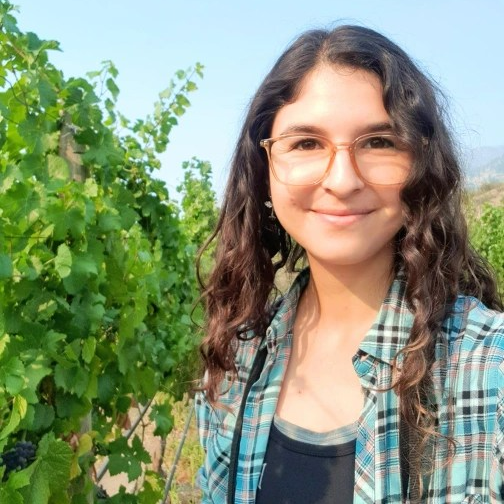
Isidora Silva-Valderrama
Ph.D. student
Úrbez-Torres & Davies Labs
Microorganisms perform essential processes for all living organisms. They are responsible for improved plant performance and survival, but also for devastating epidemics. I am a biochemist from Pontificia Universidad Católica de Chile, also spending some time at the University of Sydney, Australia. I have worked with fungal pathogens and endophytes for the last 7 years at BASF in Germany, and the University of California Davis in Chile, mainly focusing on grapevines as hosts. I am currently studying the Botryosphaeriaceae fungal family and their hosts to build a predictive model of host jumps that can be used for phytosanitary risk assessment, informing policy on pest management, and as a model for better understanding host shifts in microbes.
Nthabeleng Nhlengethwa
Ph.D. student
African Centre for DNA Barcoding, University of Johannesburg & Davies Lab
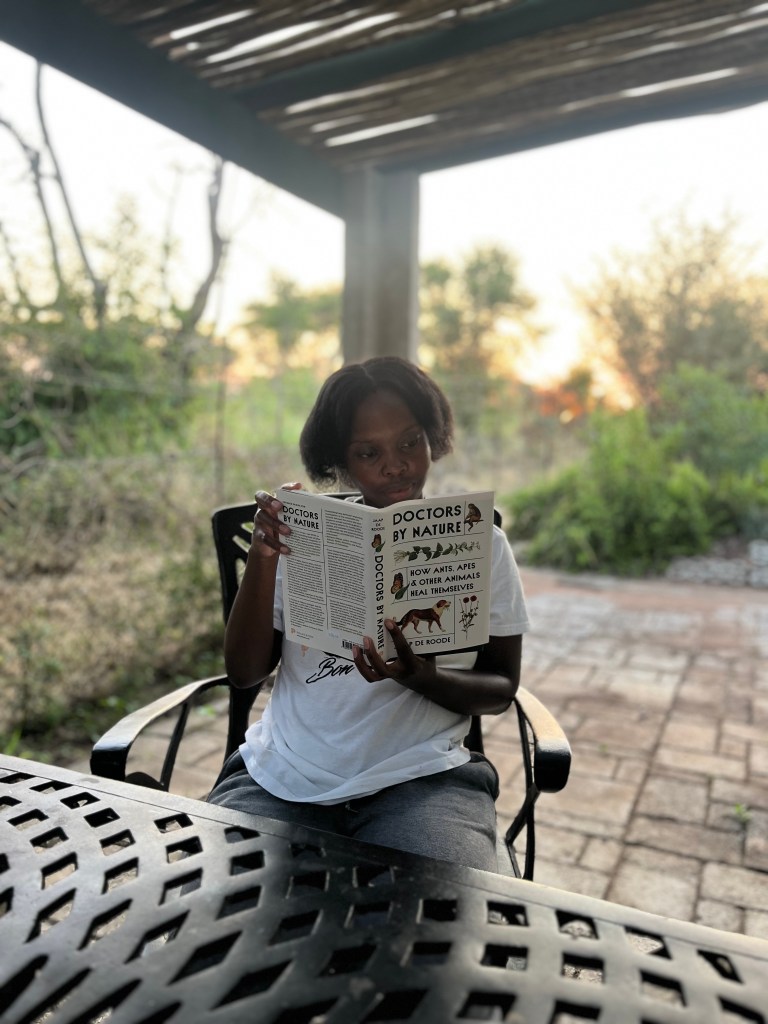
Nthabeleng is studying the interconnectedness between plant diversity and wildlife health using bovine Tuberculosis (bTB) in African Buffalo (Syncerus caffer) as a model system. She will investigate the relationship between plant biodiversity, diet preference, and TB prevalence in Buffalo within the Kruger National Park, South Africa. She will evaluate whether there is a change in diet selectivity in sick Buffalo, and test whether sick animals show greater dietary selectivity for plants with high nutritional value or energy content or perhaps even select for plants with bioactive compounds as means of self-medication.
Kabo Sebaetse
Ph.D. student
African Centre for DNA Barcoding, University of Johannesburg & Davies Lab
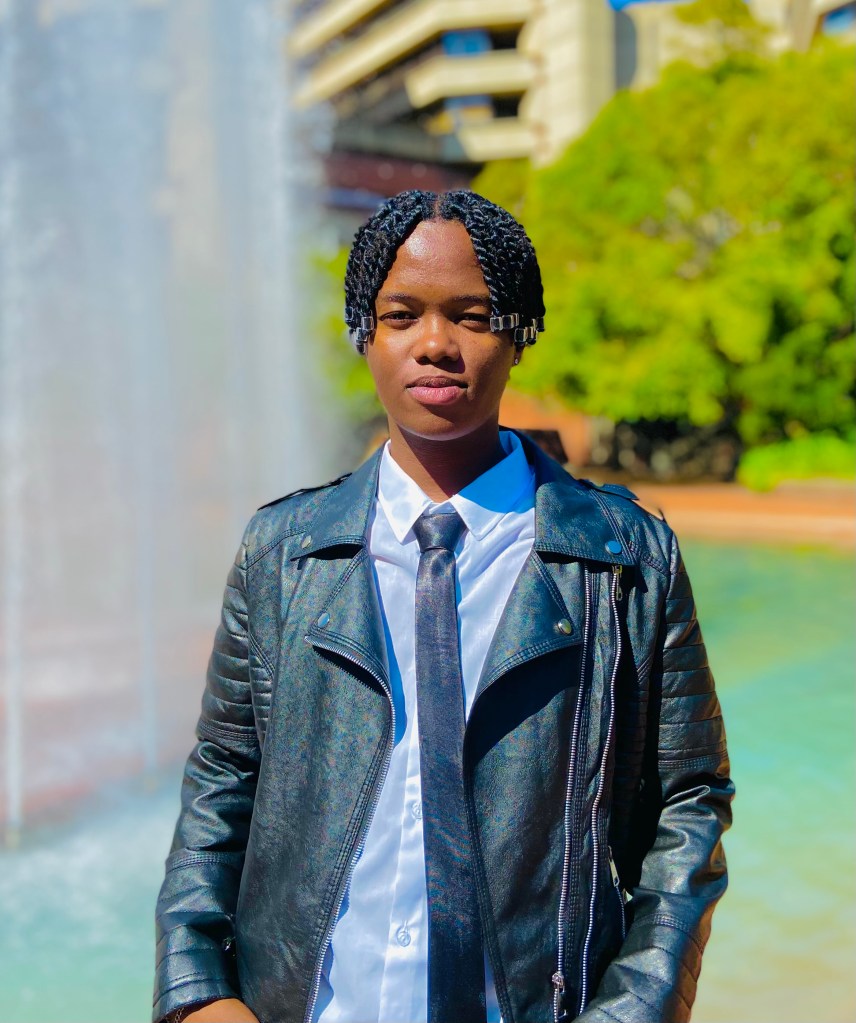
Kabo is investigating the patterns and drivers of vegetation phenology and plant-insect synchrony across South Africa. He will examine how environmental variables drive spatial and temporal variation in vegetation phenology, and test how these relationships are structured by plant phylogenetic community composition. He will also assess the overlap between vegetation phenology and insect abundance, combining satellite remote sensing data and insect metabarcode data generated from insects captured using Malaise trapping across South African National Parks.
Kyle Grant
Ph.D. candidate
Davies Lab at UBC
Novel plant pests and pathogens can lead to the extirpation of native forest species and result in billions of dollars of economic damage annually. I will use pest data from global databases and predictive models to explore the processes influencing pest associations with North American tree species. I will first attempt to explain drivers of host susceptibility to pest accumulation (pest richness) and the factors structuring the phylogenetic host breadth of pests (host richness of pests). I will then test how pest pressures may influence tree species invasion success (i.e., the enemy release hypothesis).

Nonjabulo Macu
M.Sc. student
African Centre for DNA Barcoding, University of Johannesburg & Davies Lab
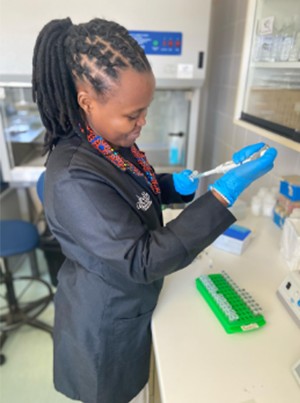
Nonjabulo is evaluating the relationship between plants and pollinating insects using citizen science data and DNA barcoding. The decline in global insect populations has raised concerns about the stability of ecosystems; however, there is a lack of data from the global South. Nonjabulo will study plant-insect pollination dynamics to explore how plants and insects coordinate their life cycles for effective pollination and how environmental factors influence this synchronicity in Walter Sisulu National Botanical Garden, Johannesburg.
Zihui Wang
Postdoc
Davies Lab
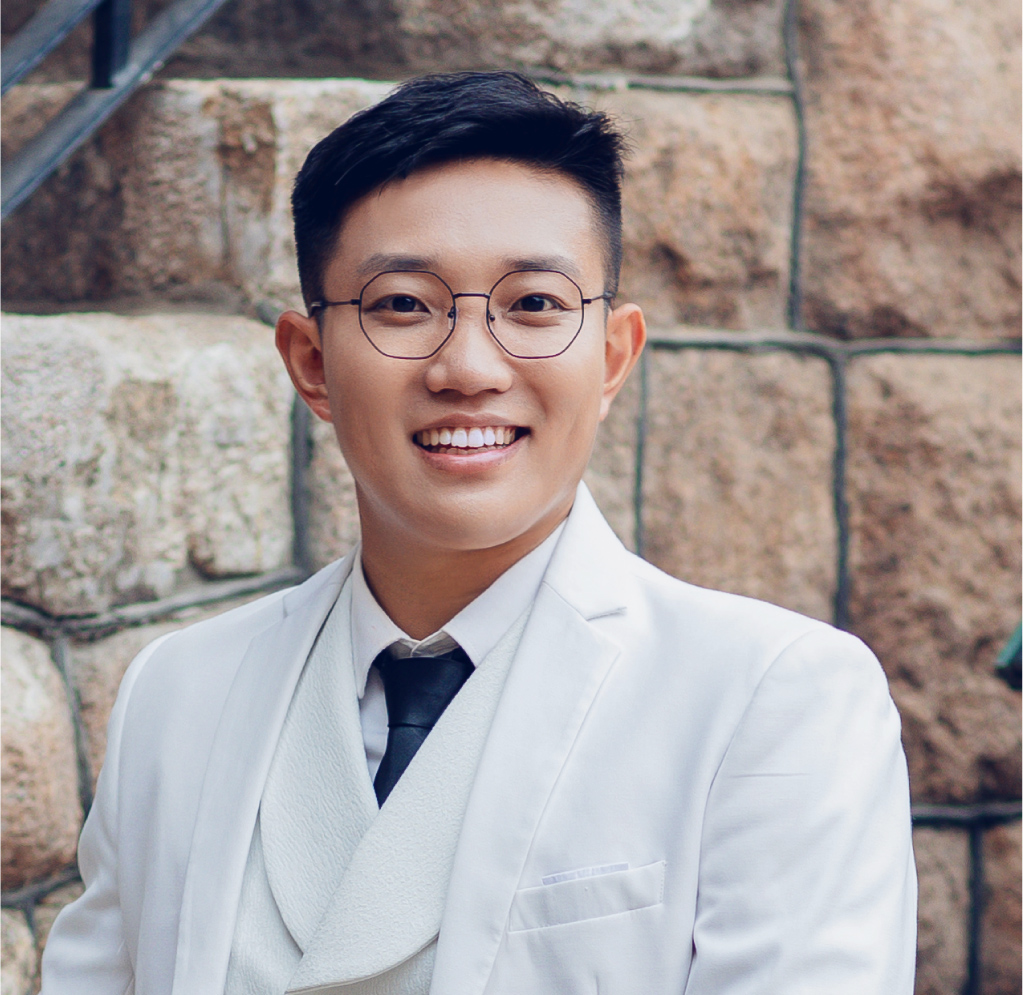
I’m broadly interested in understanding the factors that shape the diversity and biogeography of host-microbial associations, and utilizing this understanding to develop process-oriented predictive models for host microbial distribution and function. My current research primarily focuses on plant pathogens, where I quantify how climate change, species redistribution and biodiversity loss may foster emerging plant disease. I’m also interested in other host-associated systems including plant mutualists, insect pests and zoonotic disease. I completed my PhD at Université du Québec à Montréal in 2023.
My website https://zihuiwang.netlify.app/
Recent Alumni
Alaina Pfenning-Butterworth
Postdoc, Davies Lab UBC
Andy Gougherty
Postdoc, Davies Lab UBC
Nick Bard
PhD , Davies Lab at UBC
Marjolein (Marie) Toorians
PhD , Davies Lab at UBC
Ross Stewart
PhD, African Centre for DNA Barcoding, University of Johannesburg & Davies Lab at UBC
Ernest Ting-Yu Wu
MSc 2020, Davies Lab at UBC
Lerato Hoveka
PhD 2020, African Centre for DNA Barcoding, University of Johannesburg & Davies Lab at McGill
Max Farrell
PhD 2018, Davies Lab at McGill
Sofia Carvajal Endara
PhD 2019, Hendry & Davies Lab at McGill
Undergraduate students
Ngaa Ndachena
Directed Studies & BUDR student 2023
Edward Ssebuliba
Directed Studies 2020
Shelley Wang
Directed Studies 2021

